Everything a Driver Needs to Know About MOT Advisories

A driver feels happy that he has passed his MOT test. He receives a list of advisories from the authorised MOT centre. He wonders what he needs to do next. An MOT exam is an annual vehicle inspection. It is carried out on vehicles that are at least 3 years old. The basic goal of an MOT exam is to check whether a vehicle complies with the safety and environmental guidelines set by the UK government. Most drivers concentrate on passing their MOT tests. They fail to realise the importance of the advisory section in a valid MOT certificate. The guide explains what an MOT advisory is, why it is important, and the common items it includes.
What Is an MOT Advisory?
The MOT tester issues an MOT advisory. It highlights the current vehicle issues. These issues cannot lead to MOT failure. However, they need to be quickly addressed. A certified tester will explain in detail that MOT advisories cannot be compared with factors that cause MOT rejection. An MOT failure indicates the vehicle has defects that do not comply with legal safety standards. On the other hand, an MOT advisory is a warning that an issue could escalate into a severe problem if neglected.
For example, a tester may report an advisory for tyres. It shows that tyres are steadily showing premature signs of wear and tear. For vehicle owners seeking a dependable MOT Centre Cheltenham, it is important to understand the significance of MOT advisories. It can help them make sound decisions regarding vehicle care and prevent costly bills. In addition, they can keep their vehicles safe year-round.
Importance of MOT Advisories
Drivers often hold the misconception that their vehicle has passed an MOT test and therefore has no problems. They fail to understand that an MOT test verifies that the vehicle meets the basic legal standards at the time of the MOT inspection. Advisories signal to the vehicle owner that there are potential issues with the vehicle. Addressing these vehicle issues quickly may help a vehicle owner to:
Increase vehicle safety
Make drivers feel confident when driving
Reduce expensive repairs.
Decrease the probability of failing the next MOT.
Retain the value of a vehicle
Standard MOT Advisory Items
MOT advisories can include various parts of a vehicle. A few of the regular areas are explained below:
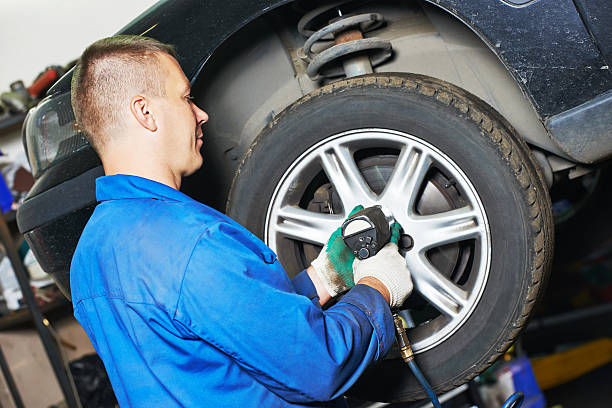
Tyres: Tyres are very common in an MOT advisory note. A certified MOT tester may find that tyres have irregular wear, have reduced tread depth, or are becoming worn. The vehicle will clear the MOT test. However, tyres need to be replaced. New tyres can improve a vehicle's braking, handling and confidence.
Brakes: Brake parts are often featured in MOT advisories when they indicate wear. These parts can include brake discs, other brake components, and other parts of the brake system. If vehicle owners neglect brake-related advisories, their vehicles can experience reduced braking efficiency and costly repair bills.
Suspension Parts: Suspension parts can be listed in advisories when they show signs related to degradation. These parts are bushes, shock absorbers and joints. A vehicle with degraded suspension components will experience abnormal tyre wear, reduced driving comfort, and handling issues.
Exhaust System: Minor erosion or degradation of the exhaust system can be listed in the MOT advisory. Currently, the condition will not impact emissions or safety. However, it can create leaks in the future.
Light and Electrical Parts: Problems such as defective bulbs or poor electrical connections may be recorded in the MOT advisory list. The lighting system has to work efficiently. It will help to create clear visibility for the driver. Thus, the driver will find roads safer.
Does One Have to Repair MOT Advisories?
Legally, the vehicle owners do not have to immediately repair the issues in the MOT advisory list. However, MOT experts advise against neglecting them. A responsible motorist will analyse each advisory and decide when to do the repairs depending on the following:
How serious is the issue?
What is the age and mileage of the vehicle?
How quickly the issue might worsen?
What is the cost of postponing repairs?
Some advisories may need solutions within a few weeks. Others can be done at the vehicle's next car service.
Relation Between MOT Advisories and Vehicle Maintenance
Routine preventive care is the right way to avoid an MOT advisory from becoming a severe problem. Vehicle owners must examine the following vehicle parts such as brakes, dashboard warning lights, tyres, etc. Periodic servicing along with MOT once a year can help drivers to uncover faults before they become costly repairs.
Conclusion
Drivers must never feel rejected when advisories are issued after their MOT tests. In fact, they provide valuable information regarding a vehicle’s current condition and describe potential issues that can be avoided. Drivers need to take this situation positively and ensure no severe problems occur in the near future. Thus, they will help their vehicles to perform efficiently, and they can enjoy convenient driving all year round.


Thank you for creating such a detailed and easy to understand guide. There are plenty of articles online about pin download tools, but very few explain the process this clearly. Everything worked perfectly when I followed your instructions. I'll definitely recommend this page to anyone looking for a reliable solution.