Retreading vs Recycling: How British Drivers Can Lower Waste
Most UK drivers never consider their tyres after the fitting area. They buy the new rubber, watch the old ones roll off, and believe that’s the end of the tyre story. But where do those used tyres really end up?
The UK produces about 40 million trash tyres annually. That is a mountain of fabric, steel, and rubber. If not managed properly, this garbage can contaminate landscapes, feed hazardous fires, and provide breeding grounds for insects.
The UK has, nevertheless, quietly created one of the most advanced tyre recycling and retreading networks in Europe. Knowing this technology will help drivers save money, lower their environmental impact, and perhaps even question their perceptions of a decent tyre.
The Numbers: UK Tyre Waste Situation
Every year, the United Kingdom generates roughly 400,000 tonnes of tyres nearing the end of their life. Historically, these tyres were either burned in the open, releasing harmful black smoke into cities, or they ended up in landfills. The European Union Landfill Directive, mostly kept by the UK following Brexit, upended everything. It outlawed the shredding of tyres in 2006 and the landfilling of entire tyres in 2003.
The UK reaches a tyre recovery rate of over 80 per cent today. That suggests that used tyres find a new application. They are changing. However, the techniques of change differ greatly, and in environmental terms, not all are created equal.
A Second Opportunity for Tyre Casings
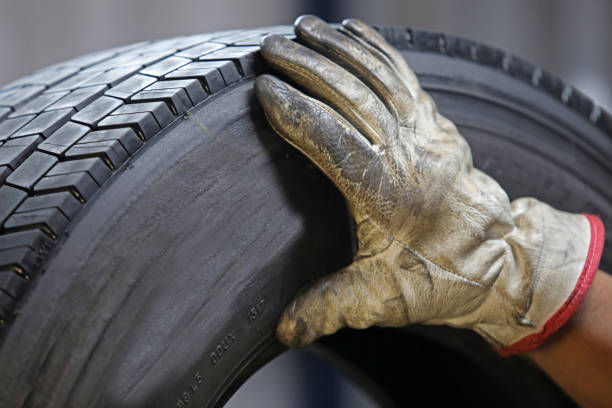
Retreading is among the oldest and most successful methods of tyre recycling. This procedure uses a worn tyre casing with some structural integrity and adds a new tread layer onto it. The result is a retread tyre with a small environmental footprint and low cost that runs much like a new one.
This is how a UK-approved facility operates. Using pressure testing and lasers, a technician examines the used tyre casing. Any casing exhibiting internal weakness or damage is discarded. The old tread on the remaining sound casings is rubbed off. The tyre is put in a mould under heat and pressure after a fresh layer of uncured rubber has been added. The new tread is permanently attached to the old casing via this vulcanisation technique.
In the business world, retreaded Car tyres in Nottingham are really prevalent. Due to their value, British fleet managers fit retreads on buses, HGVs, and delivery vans. A retread truck tyre usually costs 30 to 50 per cent less than a brand new equivalent while delivering 80 to 90 per cent of the mileage. Retreads are less common for passenger vehicles, but they do exist. The biggest obstacle is how drivers see things.
Many drivers think retreading is hazardous. That is not right. New tyres and modern retreads must meet the same safety requirements as those in ECE Regulations 108 and 109. Actually, retreads are used in several European nations for school buses and emergency vehicles.
Recycling Outside of the Tread
Not all tyres are retreaded. A tyre can be rejected for age, too much wear, or damage to its casing. Those tyres are sent for recycling, and this is where the creativity gets really remarkable. A contemporary tyre recycling facility does more than shred rubber into pointless crumbs. It splits the tyre into three main components. Steel wire, textile fibres, and rubber crumbs.
The steel cable is magnetically extracted and sent to steel factories for remelting. The textile fibre is utilised as a strengthening material in construction or as an alternative fuel in cement kilns. The rubber crumb is the chief attraction. This granular stuff turns up in unexpected locations.
It turns into the equestrian stadium's surface and the playground floor. It joins asphalt to make roads quieter and more resilient. It makes up the foundation layer of synthetic sports pitches. Some cutting-edge British businesses even press rubber crumbs into motorway acoustic barriers and railway sleepers.
Using rubber crumbs in new tyre manufacture is among the most exciting innovations. Leading tyre companies are now incorporating pyrolysis oil and recycled carbon black into their manufacturing processes. Although still in its early stages, this closed-loop approach hints at a future in which a tyre may repeatedly be made into another tyre, free of downcycling.
The Illegal Dumping Problem
Illegal tyre dumping has not gone away in the UK. Authorities in England and Wales reported thousands of incidents of illegal tyre dumping. Some leave tyres on canal banks, in industrial estates, and on rural roads. These illicit heaps become fuel for arsonists and mosquito breeding habitats. Tyre fires are notoriously difficult to put out and may smoulder for weeks, releasing cancer-causing smoke.
Drivers are partly to blame for halting this. Paying a garage £5 per tyre to get rid of the old tyres is placing trust in them to comply with the rules. Some garages use that money to pay illegal waste transporters to dispose of the tyres. Owners bear the duty of care under British environmental legislation. If tyres wind up discarded, they might be tracked down and penalised. Get a waste transfer note and use registered tyre fitters every time. That little action maintains legal recycling of tyres.
Conclusion
Old tyres don't vanish but undergo retreading, material separation, and creative reuse. This system keeps millions of tyres out of landfills and prevents unlawful fires from harming communities. Carefully maintain your tyres. Use registered waste carriers. A tyre is never actually trash. It is merely waiting for its next work. Drive sensibly and recycle more efficiently, and your tyres will remain functioning well even after the treads have worn down.


Comments